Ethmoidectomy in Seattle
Chronic sinus problems can make it difficult to breathe, sleep, or focus through the day. For many people, the ethmoid sinuses play a central role in recurrent or persistent sinusitis. At Sinusitis In Seattle, ethmoidectomy is performed as part of advanced endoscopic sinus surgery to open blocked ethmoid cells, restore natural drainage, and help relieve difficult ethmoid sinus disease.
What Is an Ethmoidectomy?
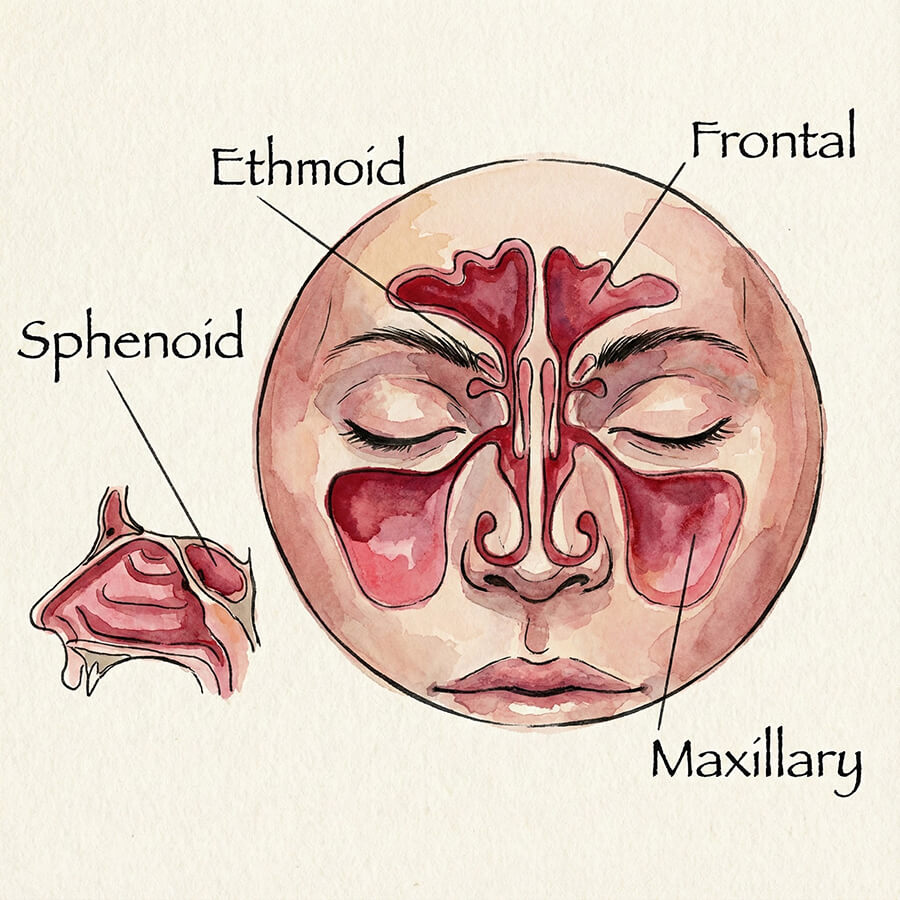
The ethmoid sinuses are a group of small, air-filled cells located between the eyes and behind the bridge of the nose. When these cells become chronically inflamed, infected, or filled with nasal polyps, they can block drainage from the other sinuses and contribute to persistent sinusitis.
An ethmoidectomy is a type of functional endoscopic sinus surgery (FESS) where your surgeon removes diseased tissue and thin bony partitions from the ethmoid sinuses using a small endoscope passed through the nostrils. The goal is to convert many small, blocked cells into a more open, ventilated cavity, allowing mucus to drain more freely and topical medications to reach the sinus lining.
At Sinusitis In Seattle, ethmoidectomy is performed using endoscopic techniques, so the surgery is entirely inside the nose.

When Is Ethmoidectomy Recommended?
Ethmoidectomy is not the first step in treating sinusitis. Most patients are first treated with medical therapies such as:
- Saline irrigations
- Prescription or over-the-counter nasal sprays
- Short courses of oral steroids when appropriate
- Antibiotics or antifungals when infection is present
- Allergy treatment if allergies are contributing
If symptoms persist despite appropriate medical management, or if imaging and nasal endoscopy show persistent blockage in the ethmoid region, surgery may be considered.
Dr. Santos may suggest ethmoidectomy in situations such as:
- Chronic ethmoid sinusitis does not respond to appropriate medical management
- Ethmoid involvement with nasal polyps or diffuse sinus disease is present
- Multiple sinuses are affected, and the ethmoid region is a key drainage pathway
- Endoscopy shows ethmoid cell opacification or obstruction and symptoms persist despite treatment
Your candidacy for surgery is determined after a detailed ENT evaluation.

Ethmoidectomy at Sinusitis In Seattle
Ethmoidectomy is rarely performed in isolation. More commonly, it is one component of endoscopic sinus surgery that may also address the maxillary, frontal, or sphenoid sinuses when needed. An ethmoidectomy involves removing diseased tissue and partitions within the ethmoid air cells (located between the eyes) using an endoscope inserted through the nostrils. During a typical endoscopic sinus surgery at Sinusitis In Seattle, Dr. Santos:
- Uses an endoscope to view the nasal cavity and sinus openings,
- Opens or widens natural sinus ostia as appropriate,
- Removes diseased ethmoid cells via ethmoidectomy,
- Preserves healthy tissue while addressing chronically obstructed areas.
The exact extent of surgery is individualized based on your anatomy and pattern of disease.
Benefits of Ethmoidectomy
Ethmoidectomy is designed with several goals in mind:
- Improve sinus drainage by opening blocked ethmoid cells
- Reduce frequency and severity of infections in properly selected patients
- Enhance response to medical therapy, since topical sprays and irrigations reach the sinus lining more effectively
- Relieve pressure and congestion associated with chronic ethmoid disease
Outcomes vary from person to person. Patients often experience meaningful symptom improvement after endoscopic sinus surgery, while others may continue to require ongoing medical management. Your surgeon will discuss realistic expectations based on your specific diagnosis.
Comprehensive Sinus Care Plan
Ethmoidectomy is just one part of a larger approach to chronic sinus disease. At Sinusitis In Seattle, sinus surgery is integrated with thorough medical evaluation, imaging, and ongoing care to address contributing factors such as allergies, structural issues, or chronic inflammation.
For many patients, results may come from a combination of:
- Targeted surgery to restore sinus ventilation
- Optimized medical therapy afterward
- Ongoing follow-up to monitor progress and adjust treatment as needed
This comprehensive strategy aims to improve your long-term sinus health rather than just addressing symptoms in the short term.
Recovery & Aftercare
- Days 1–2: Mild congestion and drainage expected; keep head elevated, use saline sprays frequently, avoid nose blowing.
- Week 1: In-office debridement clears crusting and supports healing; many patients resume desk-based work.
- Weeks 2–4: Mucosal lining continues to mature; light exercise may be allowed; continue twice-daily saline irrigation.
- Months 2–3: Sinus cilia recover; breathing and smell improve; steroid sprays are typically tapered to maintenance levels.
- Long-Term: Periodic follow-ups (every 6–12 months) and management of allergies or inflammation help maintain long-term results.
Risks of Endoscopic Sinus Surgery
- Bleeding: Minimized through stopping blood thinners before surgery and careful surgical technique.
- Orbital Injury or Bruising: Reduced with real-time endoscopic visualization and image guidance when indicated.
- Cerebrospinal Fluid Leak: Prevented by identifying skull-base structures; repaired promptly if encountered.
- Scar Tissue/Adhesions: Mitigated with dissolvable spacers and routine postoperative debridements.
Why Patients Choose Sinusitis In Seattle
Seattle and the surrounding communities have multiple options for sinus care. Patients often seek out Sinusitis In Seattle because of:
- Specialized focus on sinus surgery and ENT care
- Experience with advanced endoscopic and image-guided techniques
- Personalized care plans based on each patient’s anatomy, imaging, and symptom history
If you have been living with chronic ethmoid sinusitis or repeated infections that do not respond to medication, an evaluation with Dr. Santos can help clarify whether ethmoidectomy or other sinus surgery options might be appropriate for you. Call (206) 242-3696 or request an appointment online.
Is ethmoidectomy always done on both sides?
Not always. The decision to operate on one side or both depends on your exam and pattern of disease.
Will I have visible scars after ethmoidectomy?
Endoscopic ethmoidectomy is performed through the nostrils, so there are typically no visible external scars.
Can ethmoidectomy be combined with other procedures?
Yes. It is often performed alongside other sinus procedures, and occasionally with turbinate surgery when indicated to improve access or airflow.
How do I know if I’m a candidate for ethmoidectomy?
Candidacy is determined after a full consultation, which includes a review of your symptoms, medical history, physical exam, and imaging when needed. Your surgeon will explain all available options and whether surgery is recommended in your case.
Contact Us