Maxillary Antrostomy in Seattle
Sinus symptoms that last for months can become exhausting and disruptive. Facial pressure, nasal blockage, and infections often continue despite medication use. At Sinusitis In Seattle. Dr. David Santos offers Maxillary antrostomy to help improve sinus drainage when conservative treatments no longer work.
What Is Maxillary Antrostomy?
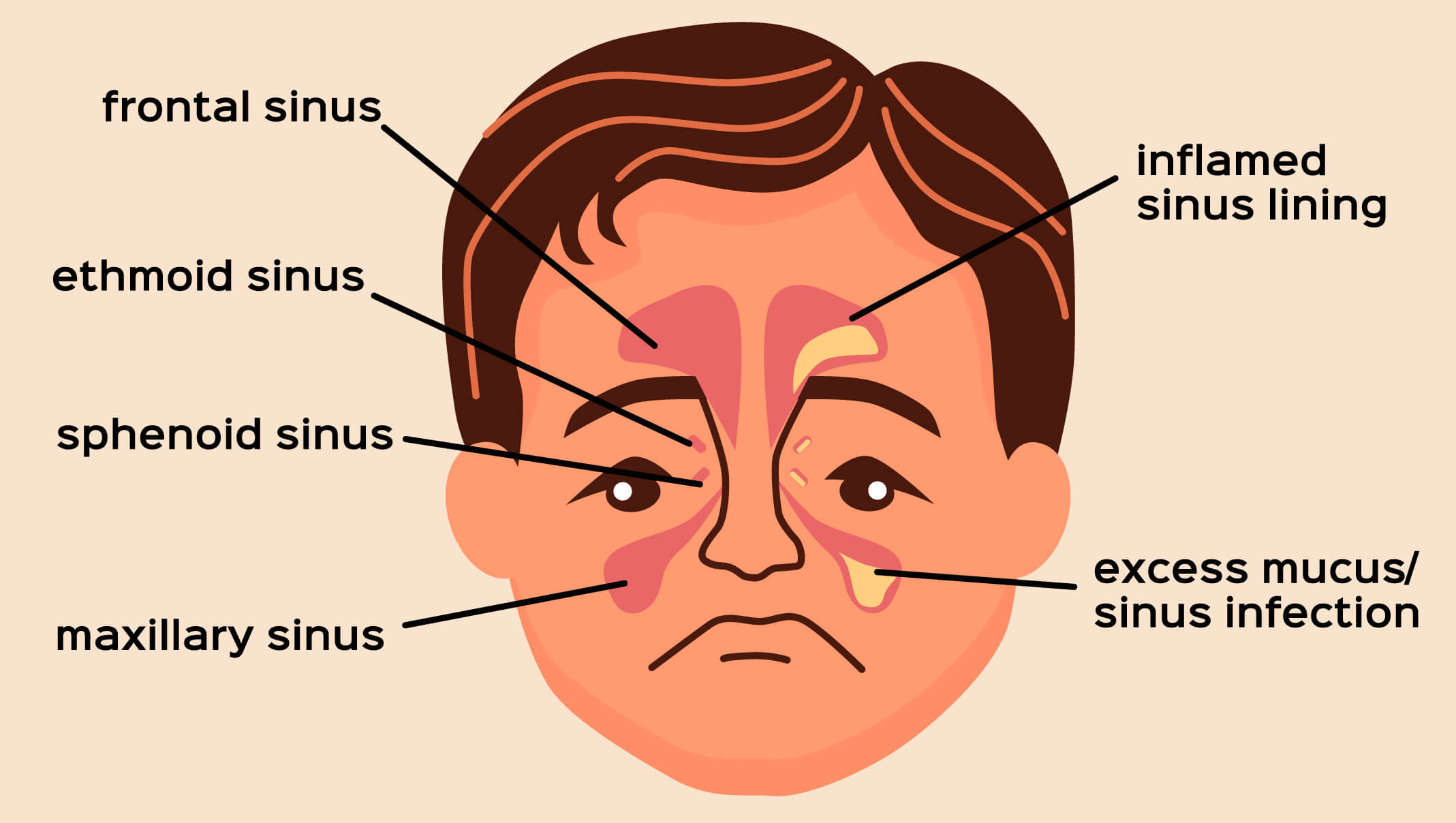
The maxillary sinuses are the largest sinuses in the face. They sit behind the cheeks on both sides of the nose. Each sinus has a small natural opening for airflow and drainage. When this opening becomes blocked, mucus builds up inside the sinus. Maxillary antrostomy gently widens this natural opening. This allows mucus to drain and air to move freely again. The procedure is performed through the nostrils using a small camera. There are no cuts on the face or skin.
Why Is Maxillary Antrostomy Performed?
Sinus blockage often starts with swelling or thick mucus. This prevents normal drainage and traps bacteria inside the sinus. Maxillary antrostomy is recommended when symptoms last longer than eight to twelve weeks. It may also help patients with frequent sinus infections each year.
Dr. Santos often suggests surgery when sprays and antibiotics stop working. A CT scan usually shows blockage in the maxillary sinus.
Symptoms That May Lead to Surgery
People needing this procedure often report ongoing sinus discomfort. Symptoms can slowly worsen over time without proper drainage. Common symptoms include:
- Cheek pressure or facial pain
- Nasal congestion or blockage
- Thick drainage or postnasal drip
- Reduced sense of smell
- Sinus headaches
- Dental pain linked to sinus pressure
These symptoms can affect sleep, focus, and daily comfort.

Conditions Treated with Maxillary Antrostomy
Maxillary antrostomy is often used to treat:
- Chronic maxillary sinusitis
- Recurrent sinus infections
- Sinus blockage seen on CT imaging
- Nasal polyps affecting sinus drainage
- Fungal sinus infections
- Dental-related sinus disease
Dr. Santos may combine the procedure with other sinus treatments when needed.
How Maxillary Antrostomy Works
At Sinusitis In Seattle, Dr. Santos begins with a detailed consultation.
- He reviews symptoms, duration, past treatments, and patient goals.
- Dr. Santos works to identify the cause of the sinus blockage. Some patients may also need polyp removal or septoplasty.
- If surgery is recommended, Dr. Santos explains the options clearly. These may include endoscopic sinus surgery or balloon sinus surgery.
- During surgery, Dr. Santos inserts a small tube through the nostril. An endoscope or imaging guides the tube into the maxillary sinus.
- Blocked mucus and infected tissue are carefully removed. In some cases, the sinus opening is gently widened.
Most sinus surgeries take less than one hour. Patients return home the same day after the procedure.

Recovery After Maxillary Antrostomy
Recovery after sinus surgery is usually gradual and manageable with proper care. Most patients notice improvement over several weeks as the sinuses heal. Common recovery experiences include:
- Nasal congestion, especially during the first few days
- Congestion that may last several weeks during healing
- Light bloody drainage from the nose, which is normal
- Contact Sinusitis In Seattle if bleeding becomes heavy or persistent
Dr. Santos will provide instructions for nasal irrigation after surgery.
Is Maxillary Antrostomy Painful?
During surgery, patients are comfortable under anesthesia. After surgery, most patients report mild pain after sinus surgery. Discomfort is usually managed with prescribed pain medication. Dr. Santos may recommend:
- Keeping the head elevated while resting
- Avoiding exercise and heavy lifting for at least two weeks
- Avoiding nose blowing for two weeks
- Using pain medicine without aspirin or ibuprofen, unless advised
Following these steps supports proper healing and reduces complications.
Benefits of Maxillary Antrostomy
Maxillary antrostomy is designed to improve sinus drainage and reduce ongoing sinus problems. Many patients notice gradual relief as the sinuses begin to function normally again. Common benefits include:
- Improved drainage from the maxillary sinuses
- Fewer sinus infections over time
- Reduced facial pressure and cheek pain
- Improved nasal airflow and breathing
- Less postnasal drip and congestion
- Better response to nasal sprays and rinses
- Improved comfort during daily activities
These benefits may help improve quality of life when chronic sinus symptoms no longer respond to medication.
Risks and Possible Complications
Maxillary antrostomy is considered safe when performed by an experienced sinus surgeon. As with any procedure, risks exist but are uncommon. Potential risks include:
- Bleeding
- Infection
- Scar tissue formation
- Temporary changes in smell
Dr. Santos will review individual risks based on your anatomy and health history.
Maxillary Antrostomy vs. Balloon Sinuplasty
Both aim to improve sinus drainage, but they work differently.
Maxillary antrostomy
- Surgically enlarges the natural opening
- Allows removal of inflamed tissue or polyps
- Often used for more advanced disease
Balloon sinuplasty
- Uses a balloon to gently widen the opening
- No tissue removal
- Best for select, mild cases
Your CT scan and symptoms help determine which approach is appropriate.
Who Is a Good Candidate for Maxillary Antrostomy?
You may be a candidate if:
- Symptoms last 8-12 or more weeks
- CT scan shows blockage of the maxillary sinus
- Medications have not helped enough
- Infections keep coming back
- Dental or anatomical issues affect the sinus
Dr. Santos evaluates these factors before recommending surgery.
Maxillary Antrostomy Treatment in Seattle
For patients in Seattle dealing with chronic sinus problems, understanding options like maxillary antrostomy is an important step. When medications are not enough, targeted sinus procedures can restore drainage and reduce infections.
Dr. David Santos has over 30 years of experience in ENT and sinus surgery. He can assess your case and recommend the most suitable treatment options for maxillary sinusitis in Seattle. Call us at (206) 242-3696 to schedule a consultation today.
Is maxillary antrostomy the same as sinus surgery?
It is a type of sinus surgery, usually performed as part of endoscopic sinus surgery.
How long does the procedure take?
Often 30–60 minutes, depending on whether other sinuses are treated.
When can I return to work?
Many people return within 3–7 days, depending on job demands.
How long is the recovery for a maxillary antrostomy?
Most patients recover over several weeks, with congestion improving gradually during the healing process.
What are the side effects of maxillary antrostomy?
Common side effects include temporary congestion, mild bleeding, facial pressure, and nasal drainage.
Who performs maxillary antrostomy?
Maxillary antrostomy is performed by a qualified ENT surgeon, such as Dr. Santos.
Why is a maxillary antrostomy needed?
It is needed when blocked sinuses cause chronic infections that do not improve with medication.
What happens during antrostomy?
The natural sinus opening is widened to allow better drainage and airflow.
Contact Us