Nasal Polypectomy Removal (Polypectomy)

At Sinusitis In Seattle, our goal is to help you finally breathe clearly, sleep better, and get real relief from chronic sinus and nasal problems. Led by premier ENT surgeon Dr. David Santos, we offer advanced evaluation and treatment for nasal polyps, including minimally invasive nasal polypectomy tailored to each patient’s needs.
What is Nasal Polyp?
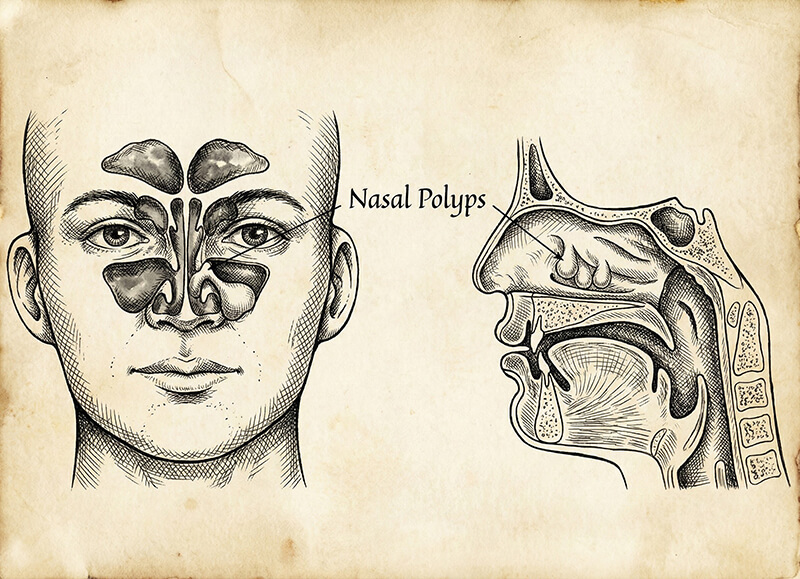
Nasal Polyps are painless and noncancerous growths. They form in a thin soft tissue called mucosa, that lines your nasal and sinus passage. Small polyps are teardrop shaped. But as they grow larger, they look like peeled grapes that are usually pink, gray or yellow in color. They are a result of long-term inflammation from chronic sinusitis, allergies or asthma.
While small nasal polyps may cause few or no symptoms, larger polyps can block airflow and drainage, leading to:
- Persistent nasal congestion and stuffiness
- Difficulty breathing through the nose
- Reduced or lost sense of smell
- Postnasal drip, sinus pressure, and snoring

What is Nasal Polypectomy?
Nasal polypectomy is a surgical procedure that removes nasal polyps from the nose and sinuses to open the nasal passages and improve breathing. At our practice, nasal polypectomy is usually performed as a form of endoscopic sinus surgery, using a thin endoscope with a camera and delicate instruments inserted through the nostrils, meaning no external incisions on the skin.
By carefully removing obstructive polyps and, when appropriate, widening key sinus openings, nasal polypectomy can:
- Restore nasal airflow
- Reduce sinus infections and pressure
- Improve sleep and overall quality of life
At Sinusitis In Seattle, Dr. David Santos, focuses on a precise, minimally invasive approach to nasal polyp surgery in Seattle so recovery is as smooth and predictable as possible.
What are the Symptoms of Nasal Polyps?
Small nasal polyps may be silent and go unnoticed. As they grow, you may begin to experience:
- A blocked and stuffy nose
- A constant runny nose
- Headaches
- Reduced sense of smell and taste
- Occasional nosebleeds
- Postnasal drip
- Pressure in your sinuses
When polyps become large, they can obstruct the nasal passages and sinus openings. This can lead to serious issues, such as:
- Frequent asthma flare-ups
- Recurrent sinus infections
- Sleep apnea or other sleep-related breathing issues
- Trouble breathing through the nose
Who Needs Nasal Polypectomy?
Most people with nasal polyps start with medical therapy. It includes saline rinses, nasal steroid sprays, short courses of oral steroids, or newer biologic medications, before surgery is considered.
According to ENT guidelines, surgery is especially helpful when chronic sinus disease and nasal polyps do not respond adequately to medical treatment.
At Sinusitis In Seattle, Dr. Santos performs a thorough evaluation, often including nasal endoscopy and sinus CT imaging, to decide if nasal polypectomy is the safest and most effective next step for you.
What to Expect From Nasal Polypectomy?
When you come to us for nasal polypectomy, we walk you through each stage of the process so you know exactly what to expect.
Before surgery, we may recommend:
- Nasal endoscopy and a CT scan or MRI to map the size and location of the polyps
- Review of your medical history, medications, and any associated conditions such as asthma or aspirin sensitivity
- Temporary adjustments to blood thinners or aspirin and pre‑operative fasting instructions
During surgery:
- You are typically under general anesthesia, so you are asleep and comfortable.
- Dr. Santos inserts an endoscope through the nostrils to visualize the nasal passages and sinuses.
- Using specialized micro‑instruments, he removes the polyps and, when necessary, small amounts of bone or tissue to open the sinus pathways and reduce the chance of recurrence.
Most nasal polypectomies are done as outpatient surgery, so you go home the same day with detailed aftercare instructions.
Nasal Polypectomy Recovery
Recovery after nasal polyp surgery is usually manageable, but it does require some short‑term lifestyle adjustments.
In the first week, it is normal to experience:
- Nasal drainage and mild bleeding
- Congestion or a stuffed feeling
- Mild discomfort or pressure around the nose and face
We typically recommend:
- Daily saline rinses or sprays to gently clear blood and mucus and support healing
- Avoiding nose blowing and keeping your mouth open when sneezing
- Taking it easy for several days, no heavy lifting, bending, or strenuous exercise
Many patients return to desk work within about a week, depending on how they feel and the specifics of their procedure. Light activities often resume after a couple of weeks, while full recovery of the nasal tissues can take several months.
We usually continue medical therapy, such as intranasal steroids, to help maintain long‑term control of inflammation and reduce the risk of polyps growing back.
What are the Risks of Nasal Polypectomy?
Nasal polypectomy is generally safe when performed by an experienced ENT surgeon, but all surgery carries some risks. Potential complications may include:
- Bleeding or infection
- Temporary or, rarely, long‑term changes in sense of smell
- Injury to nearby structures (such as the eye socket or skull base), which can very rarely lead to cerebrospinal fluid (CSF) leak or vision changes
- Persistent or recurrent sinus disease that may require ongoing medical treatment or, in some cases, revision sinus surgery
Nasal polyps are also known to recur in a portion of patients over time. Even after successful surgery, underlying inflammation remains active. We discuss these risks and provide a personalized treatment plan.
Breathe Easier with Advanced Nasal Polyp Treatment at Sinusitis In Seattle
Living with nasal polyps can make every breath, every night’s sleep, and every cold or allergy season feel harder than it should. At Sinusitis In Seattle, we combine advanced diagnostics and state‑of‑the‑art endoscopic surgery to deliver some of the best treatment for nasal polyps Seattle has to offer.
Whether you are just learning about nasal polyps or have already tried multiple treatments without lasting relief, our team is here to help you understand your options and create a personalized plan. With thoughtful evaluation and ongoing medical care, we work to help you breathe easier. To learn more and schedule a consultation, give us a call at 206-242-3696. You can also write to us via contact form.
Do I need surgery or can medication treat my nasal polyps?
Not everyone with nasal polyps needs surgery. The first step is medication. If your symptoms stay severe and keep coming back, surgery is recommended.
Is nasal polypectomy painful?
Most patients are under the effects of anesthesia during surgery and don’t feel anything. You may feel stuffiness or mild discomfort for a few days.
How long does it take to recover from nasal polyp surgery?
Many people feel well enough to return to light activities or desk work in about a week. However, internal healing takes longer. This is usually monitored via follow-up visits.
Can my nasal polyps come back after surgery?
Yes, nasal polyps can return over time. It’s more likely if you have ongoing conditions like allergies, asthma, or chronic sinusitis.
Contact Us